20% Off Your First Treatment
Book Now
A surgical facelift isn't an option for most people: too invasive, too long a recovery, too much risk. But doing nothing while your skin gradually loses firmness doesn't feel right either. It's in that in-between space that HIFU has gained ground in recent years as an alternative.
HIFU stands for High Intensity Focused Ultrasound: a non-surgical treatment that uses focused ultrasound energy to stimulate new collagen production from within your skin, without incisions, anesthesia, or weeks of downtime. At Pèche Skin Clinic in Antwerp, we use the Ultraformer III for this, a deliberate choice, not an incidental one. Further on, you'll read why this specific device, and how we combine HIFU with Morpheus8 and injectables into one coherent anti-wrinkle protocol.
How HIFU actually works on the skin
What makes HIFU distinctive is that the energy isn't spread across your entire skin. Instead, it's concentrated at precisely chosen focal points in the deeper skin layers, while the top layer is largely left untouched. That's a fundamental difference from a peel or laser treatment, which mainly work on the surface.
In practice, we work with three focus depths: 1.5 mm for the superficial dermis, 3.0 mm for the deeper dermis and connective tissue, and 4.5 mm toward the SMAS layer, the same supportive layer targeted during a surgical facelift. At each focal point, the temperature rises quickly to 65-70°C. That triggers a microscopic repair process: your body produces new collagen and elastin, giving an immediate, subtle tightening and, over the following months, a gradual lift.
Why the Ultraformer III, not just any HIFU device
The device makes the biggest difference of all. Not every HIFU device delivers the same result, and that difference comes down mainly to technology and certification. The Ultraformer III is made by Classys, a South Korean manufacturer with a strong reputation in medical aesthetics, and it's medically CE-certified. The device uses MMFU technology (Micro & Macro Focused Ultrasound) and combines both superficial and deep focal points in a single protocol, whereas many cheaper devices only work at one depth. That lets us address both skin quality and the deeper SMAS layer in the same session.
A device is only as good as the hands operating it. At Pêche, every HIFU treatment is carried out by medically trained specialists, who adjust focus depth, energy, and treatment pattern to your skin. That combination of device and expertise is exactly why we chose the Ultraformer III.
Not all HIFU devices are equal, always ask for the brand
A clinic can be popular and still work with a device that has no clear brand name or certification. Price and marketing say nothing about what's actually inside the machine. Before you book an appointment: ask for the exact brand and model of the device, and look up yourself whether it's CE-marked and medically approved. At Pêche, we deliberately work with the Ultraformer III from Classys, a name and certification you can verify yourself.
Always ask for the brand and certification of the device. Safety is crucial with HIFU, since treatment works in the deeper layers of the skin.
Pêche Skin Clinic
Combining HIFU with Morpheus8 and injectables: the complete anti-wrinkle protocol
HIFU is powerful for lifting the deep SMAS layer, but it isn't an all-in-one solution. If you want to address skin aging on every level, HIFU works best combined with treatments that act on other layers:
HIFU + Morpheus8: the ultimate skin rejuvenation protocol. Morpheus8 (RF microneedling) improves texture, pores, and fine lines at the surface, while HIFU lifts more deeply. We typically schedule these about 2 weeks apart, so your skin can recover between treatments and both effects build on each other.
HIFU + Muscle Relaxants or Fillers: Combining HIFU with muscle relaxants is worthwhile, for example, for frown lines: botulinum toxin treats dynamic wrinkles on the forehead caused by muscle movement, something HIFU doesn't address, since HIFU tightens the skin rather than relaxing muscles. Fillers are useful, for example, for smoker's lines around the mouth, where deeper wrinkles need volume in addition to skin tightening.
Tightening through HIFU, texture repair through Morpheus8, wrinkle reduction through injectables: together, that's what we call a complete anti-wrinkle protocol at Pêche Skin Clinic. Which combination makes sense for you, and in what order, is something we determine together during your intake consultation.
Who is HIFU suitable for, and who isn't it for?
HIFU works best for mild to moderate skin laxity in the face, neck, or décolletage area, in skin that still has sufficient collagen reserve, typically in adults from their late twenties to early sixties. The most studied zones are the lower face, jawline, neck, and the area around the eyes. We also use HIFU as a periodic maintenance treatment to stay ahead of skin laxity, not only as a correction after the fact.
For significant sagging or major volume loss, a surgical approach, or a combination of treatments like the ones above, is usually the better fit. An honest clinic will tell you that too, rather than sell you a treatment that isn't right for you.
When is HIFU not an option?
Contraindications include active skin infections or open wounds in the treatment area, metal implants or a pacemaker, pregnancy, certain autoimmune conditions, and some neurological disorders. A thorough medical intake beforehand isn't a formality, it's a necessary step to avoid complications.
What results are realistic, and how long do they last?
Published clinical studies show a moderate to clear effect on skin tightening. A pooled analysis of 17 studies (477 participants) reported an average improvement score of 2.74 out of 5; a broader review documented 18-30% improvement in skin laxity. In a prospective study of 93 patients, physicians rated the improvement per zone at more than 80%, with patient satisfaction above 78%.
The first visible improvement typically appears from 10 weeks onward, peaking around three to six months, the time your skin needs to produce new collagen. For most people, one to two sessions per zone are sufficient, with a maintenance treatment after 12 months. Some zones, such as the under-chin area, need three sessions. Results generally last 6-12 months, and sometimes up to 18 months in skin that responds well. Sun protection, tailored skincare, smoking, and weight fluctuations all influence how long your results hold up.
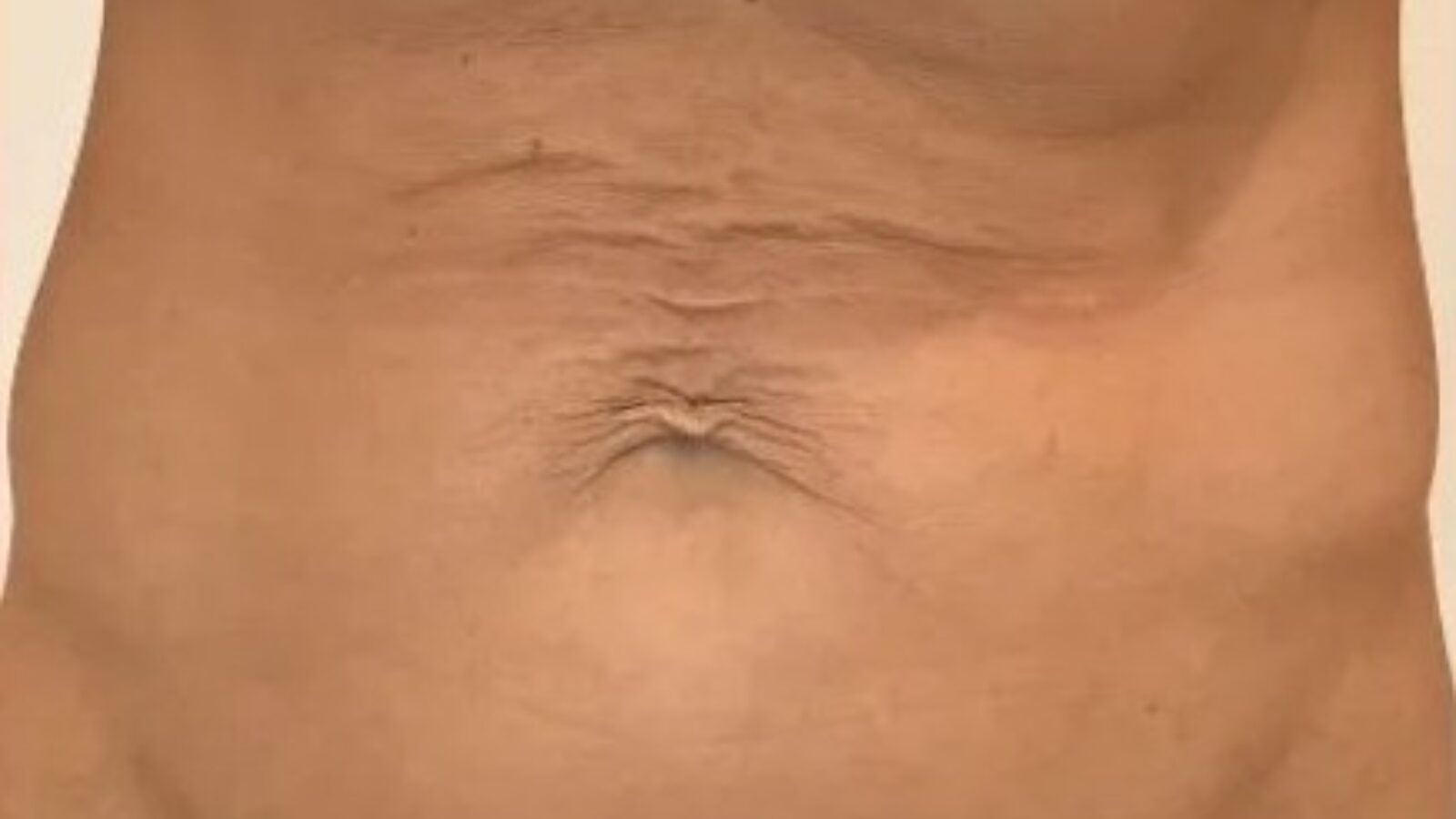
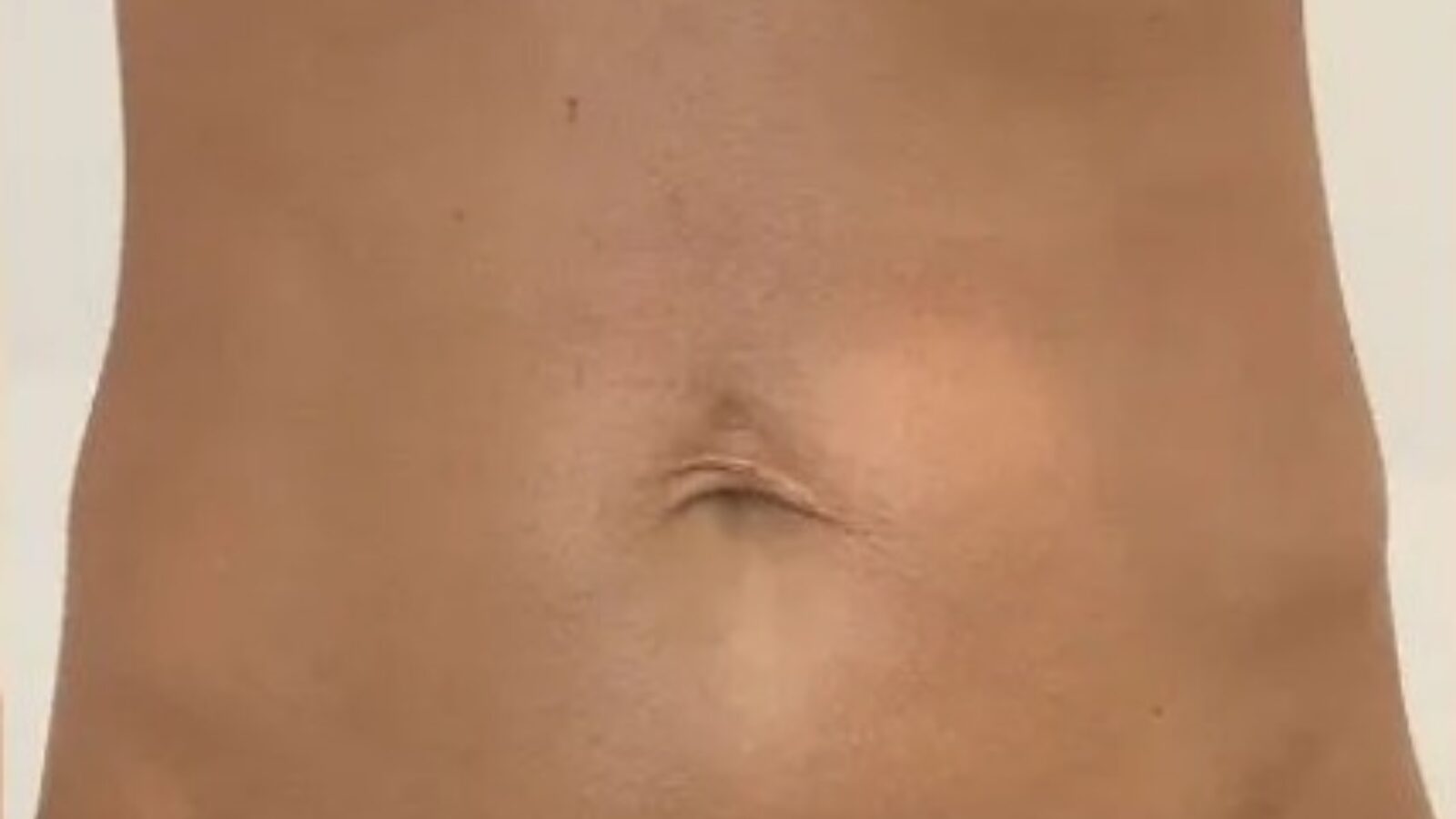
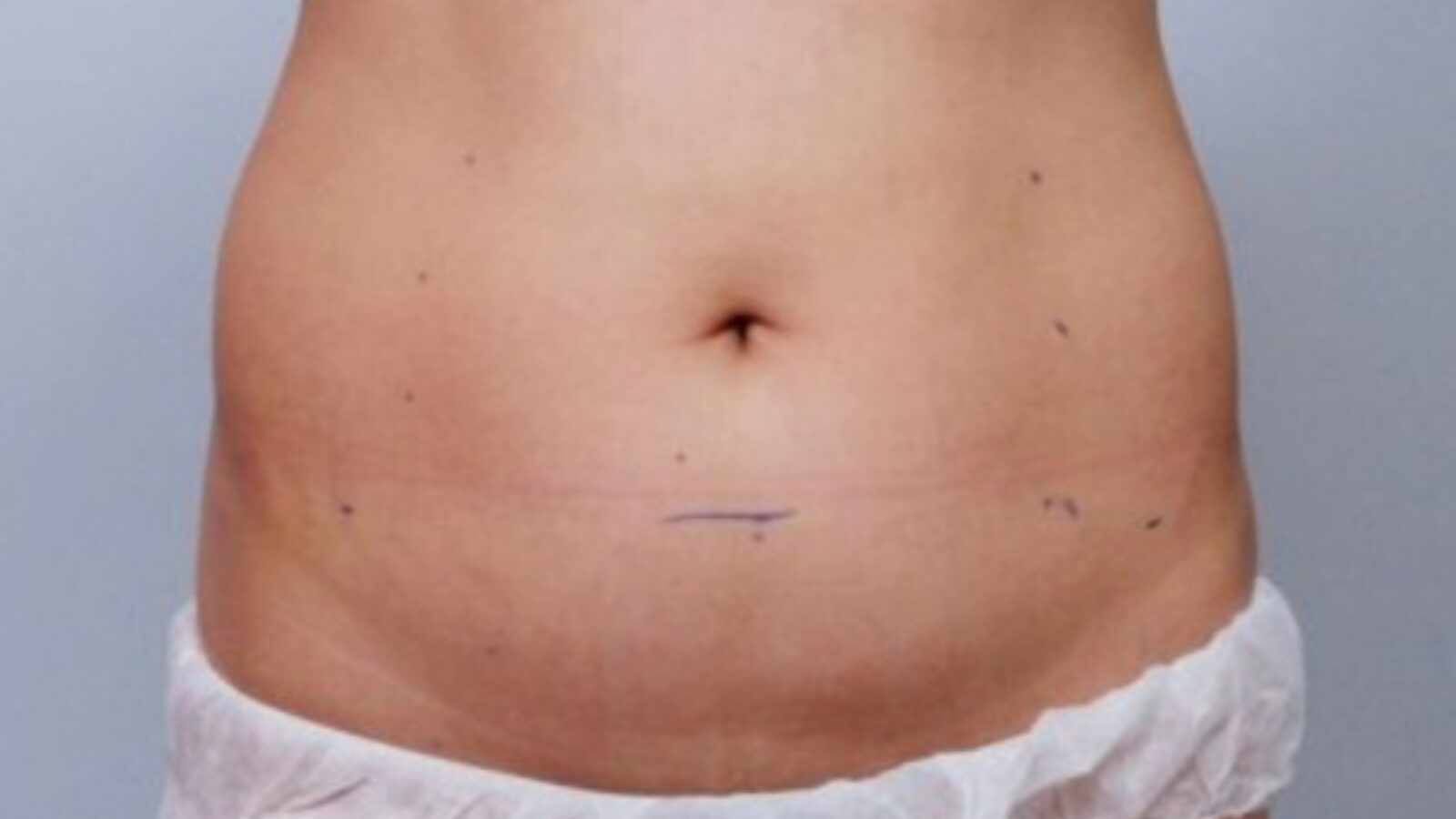
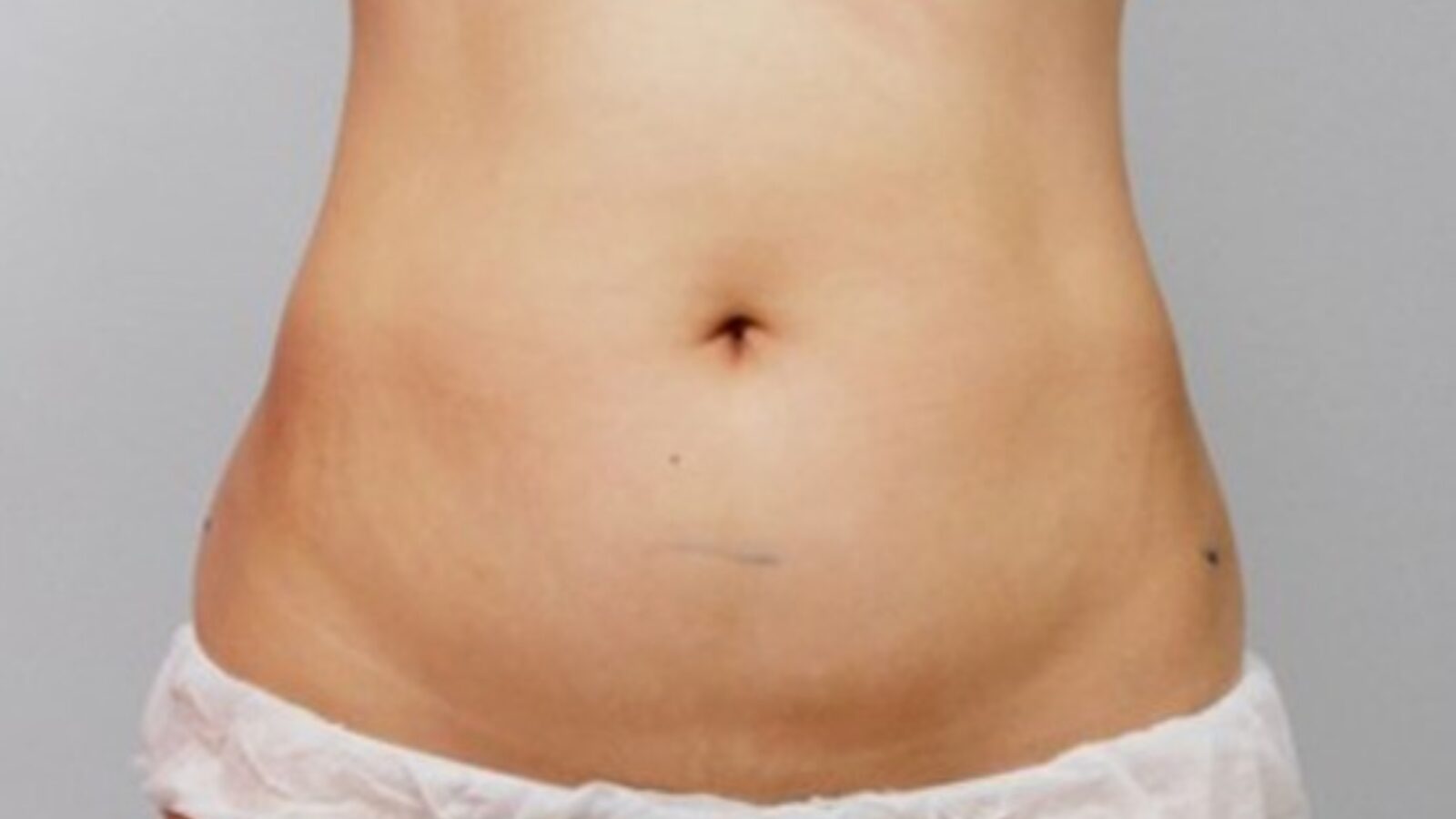
Abdomen - HIFU treatment result
Flanks (Love Handles) - 3 HIFU sessions, 3 weeks apart
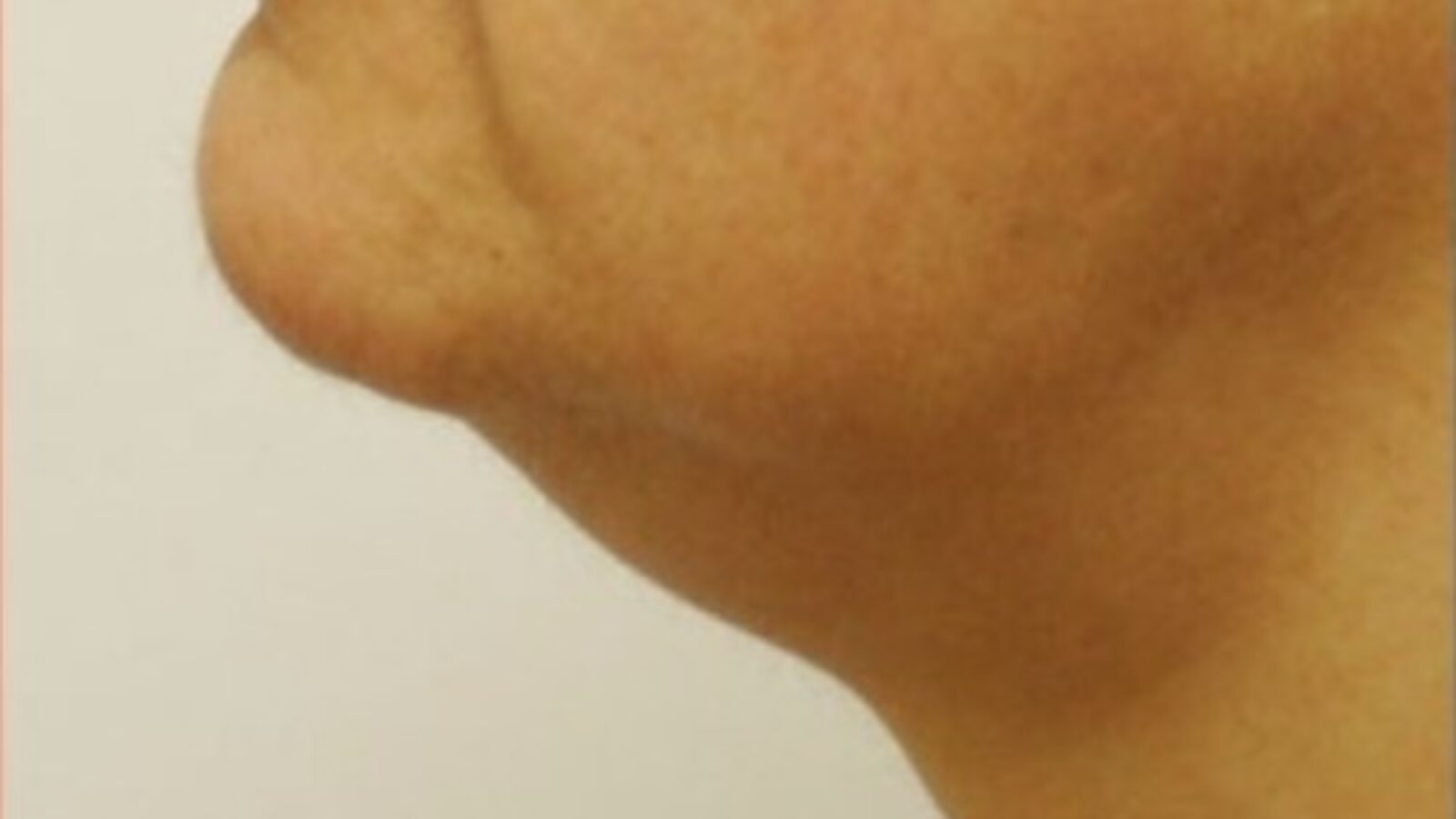
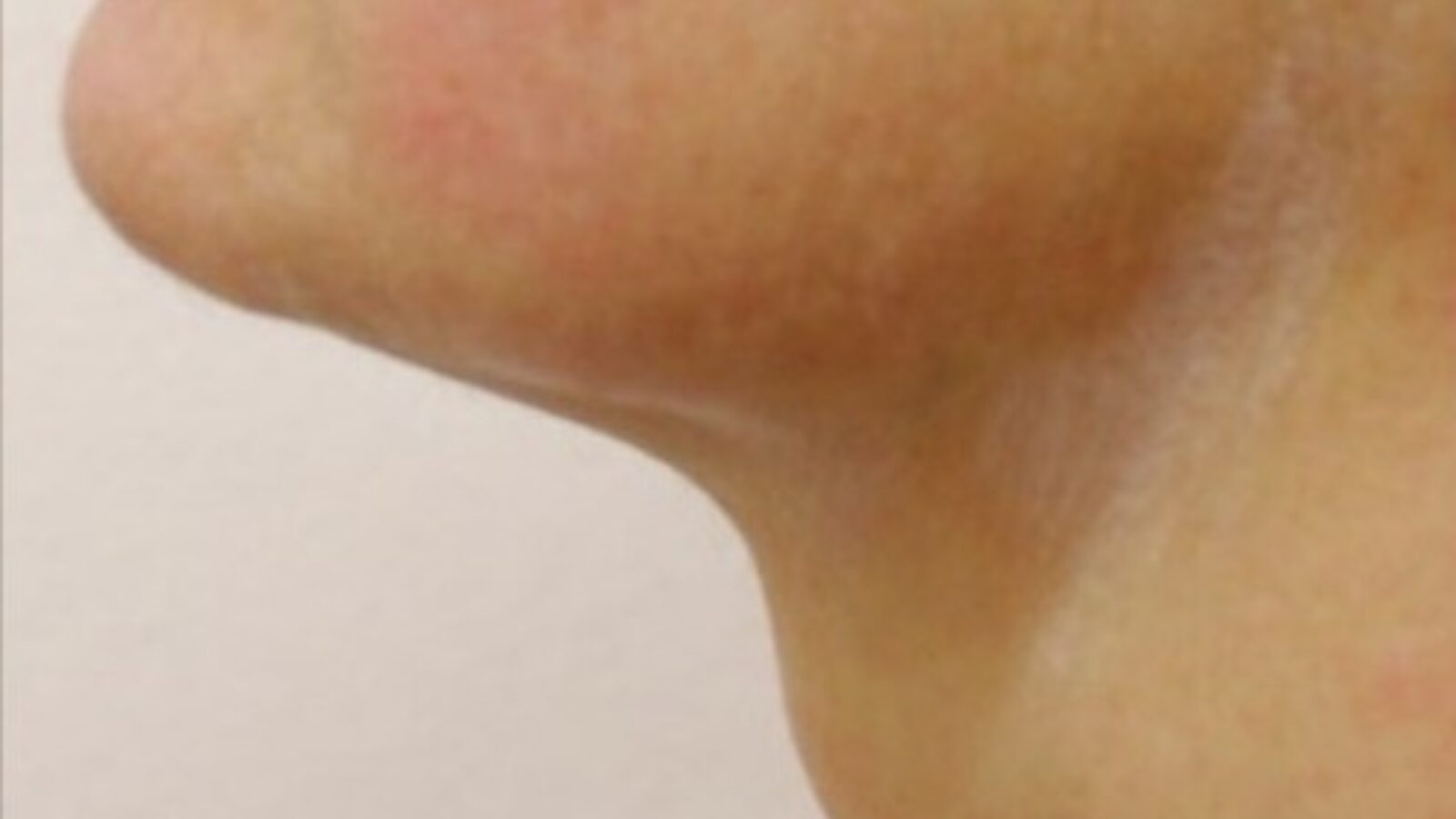
Double Chin - 2 HIFU sessions, 6 months apart
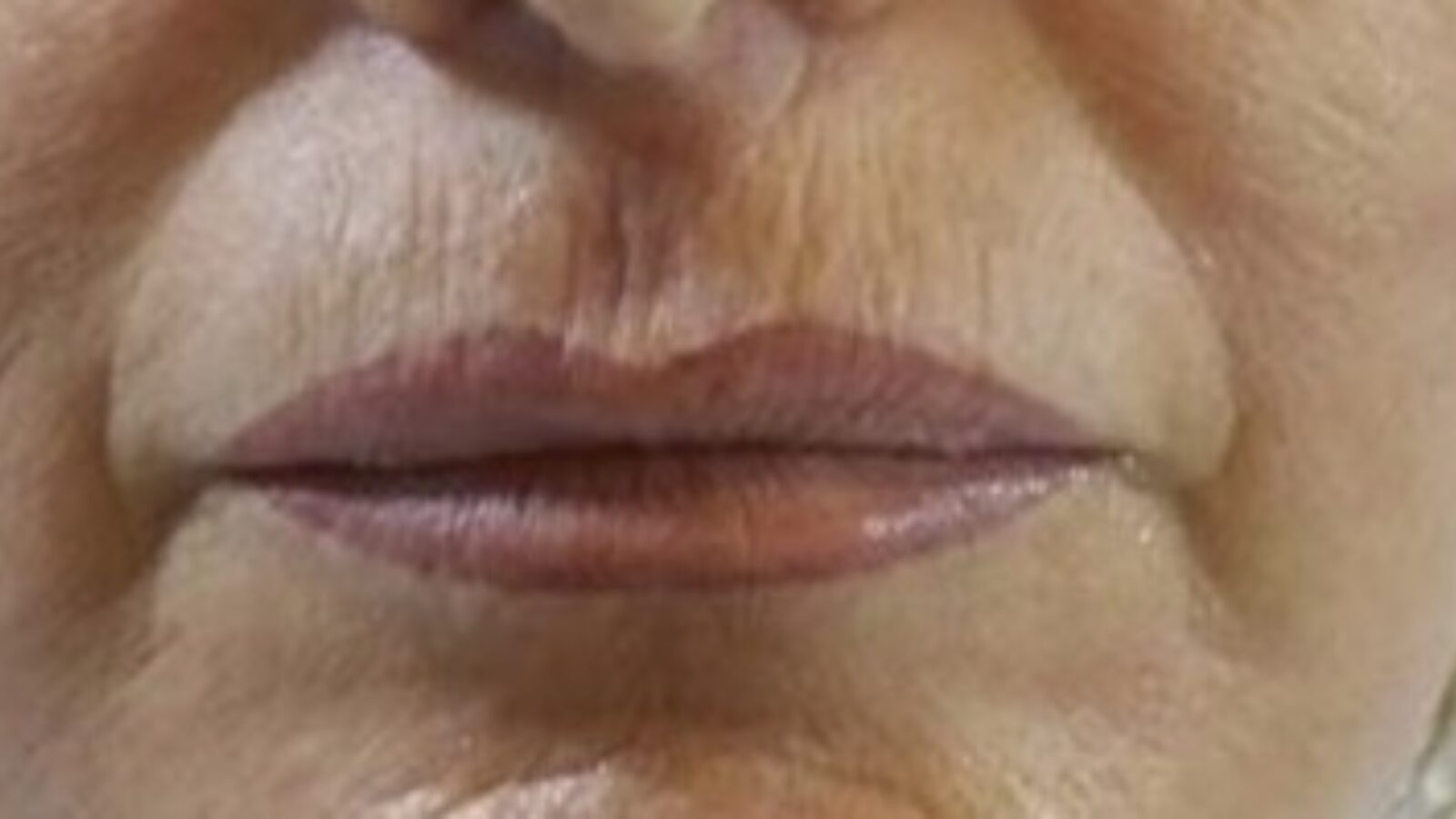
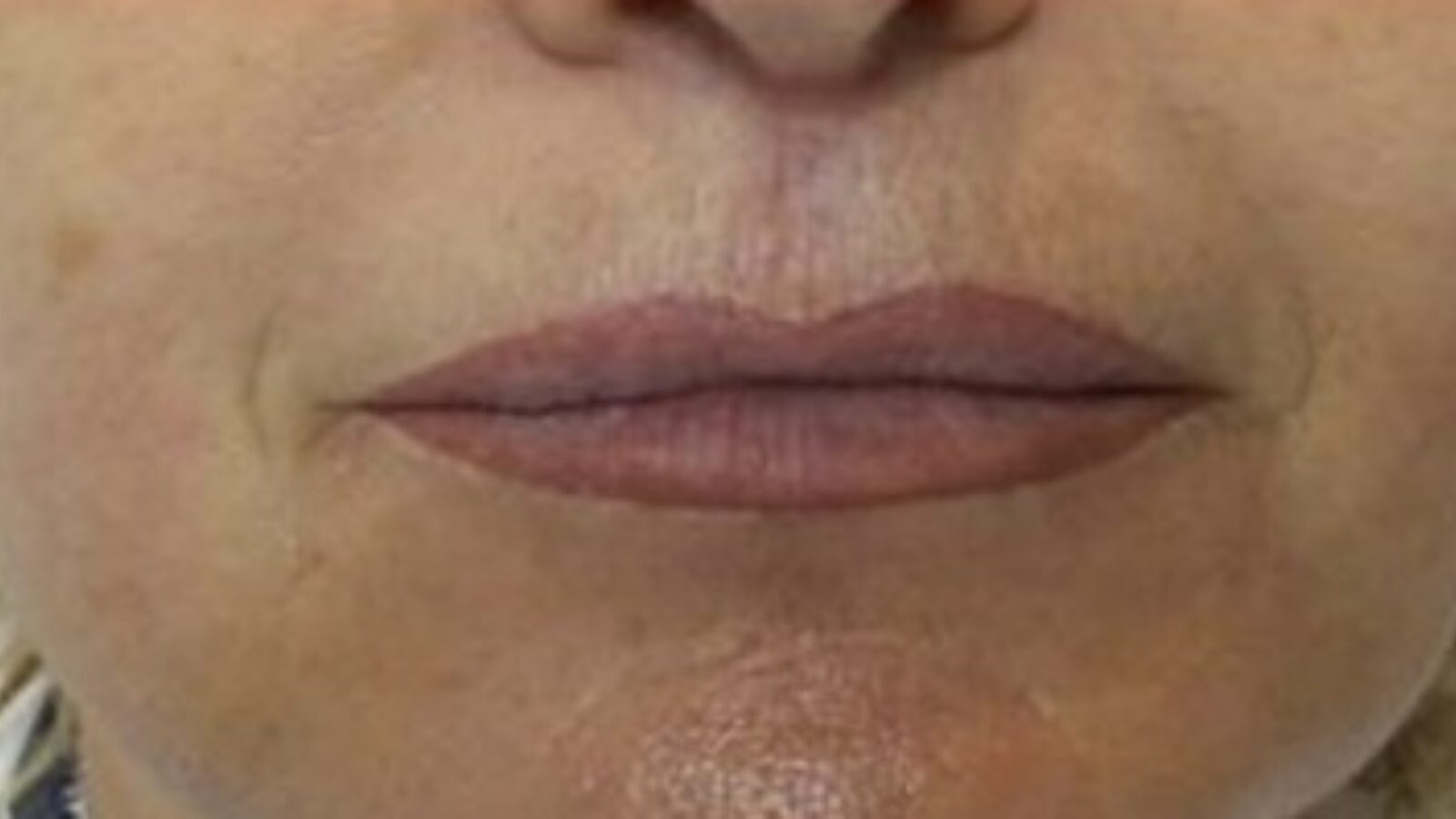
Perioral Lines (Smoker's Lines) - 1 HIFU session, 2 passes
Waist - Classys Clinical Case Study (Ultraformer III data, not a Pêche patient)
3 sessions, 3 weeks apart, 3-month follow-up. Note: the patient also lost 3 kg during this period, which may have contributed to the visible result.
Recovery and possible side effects
There's virtually no downtime: most people resume their normal activities the same day. Redness, mild swelling, tingling, or a feeling of pressure usually subside within a few hours to a few days; it's best to avoid sun exposure and intense exercise for the first 48 hours. Rarer complications such as nerve irritation or lasting changes in sensation occur significantly less often when the treatment is performed by a medically trained professional using a certified device, calibrated to your skin.
Cost in Belgium and the right questions for your consultation
Precisely because of the reasons above (the device, the certification, who performs the treatment), HIFU prices in Belgium vary widely:
- Single facial zone: €150-250
- Neck or décolletage: €200-400
- Full face: €450-600
- Body zones: €300-500 or more per zone
- Extended signature protocol (face, chin, and neck in one session): up to €950
A lower price isn't always a better deal: with a non-medically trained practitioner or a less precise device, you pay less for a less reliable result. So before you book, ask: Which device is used, and at what focus depth does it work? Who performs the treatment, and what are their medical qualifications? Is there a consultation beforehand, including a skin assessment? Does combining this with another treatment make sense for me, and in what order? What are the exact costs, including any follow-up treatments?
At Pêche Skin Clinic in Antwerp, every treatment plan starts with an extensive consultation. On request, we can also use the OBSERV520x skin scanner during this consult, which maps your skin objectively, so your treatment plan is based on what's actually happening in your skin, not just a visual estimate.
Is HIFU the right choice for you?
HIFU uses focused ultrasound energy to trigger collagen renewal for a gradual lift, an approach backed by scientific research, with real but more modest results than a surgical facelift. At Pêche, we use the Ultraformer III for this, and where it makes sense, we combine it with Morpheus8 for texture and injectables for dynamic wrinkles.
Do you recognize yourself as a candidate? Book a no-obligation consultation at Pêche Skin Clinic Antwerp. We'll assess your skin, discuss honestly what's achievable, and put together the protocol that fits you.