20% Off Your First Treatment
Book Now
Profhilo is often confused with fillers, since both contain hyaluronic acid. But that's where the similarity ends: Profhilo doesn't add volume, it improves your skin from within. How? That's what you'll find here: the composition of both products, how they work, who they're suitable for, and how long results last.
Which option is right for you always depends on what your skin actually needs. Volume loss calls for a different approach than a decline in skin quality. At Pêche Skin Clinic, our doctors are here to help you make the right choice.
What Profhilo actually is: a bio-remodeler, not a classic filler
Profhilo sits in its own category, known as bio-remodelers. It doesn't add volume to the face. Instead, it prompts the skin to renew itself from within. After injection, it stimulates fibroblasts, the cells responsible for producing collagen and elastin, as confirmed by in-vitro research. The result isn't a change in facial contours, but a visible improvement in skin quality, firmness and hydration.
Profhilo is sometimes mentioned in the same breath as skinboosters, but the difference lies in the depth and reach of the effect. Skinboosters mainly target hydration. Profhilo also stimulates the production of structural skin proteins, which can make its effect broader and longer-lasting than a traditional skinbooster for some patients, depending on formulation and indication.
One striking feature of Profhilo is its low viscosity. Unlike classic fillers, which stay put where they're injected, Profhilo spreads through the surrounding tissue. That means a limited number of injection points per side can still treat a wide surface area. There's no bulging or change in facial structure, just skin that looks nourished and radiant.
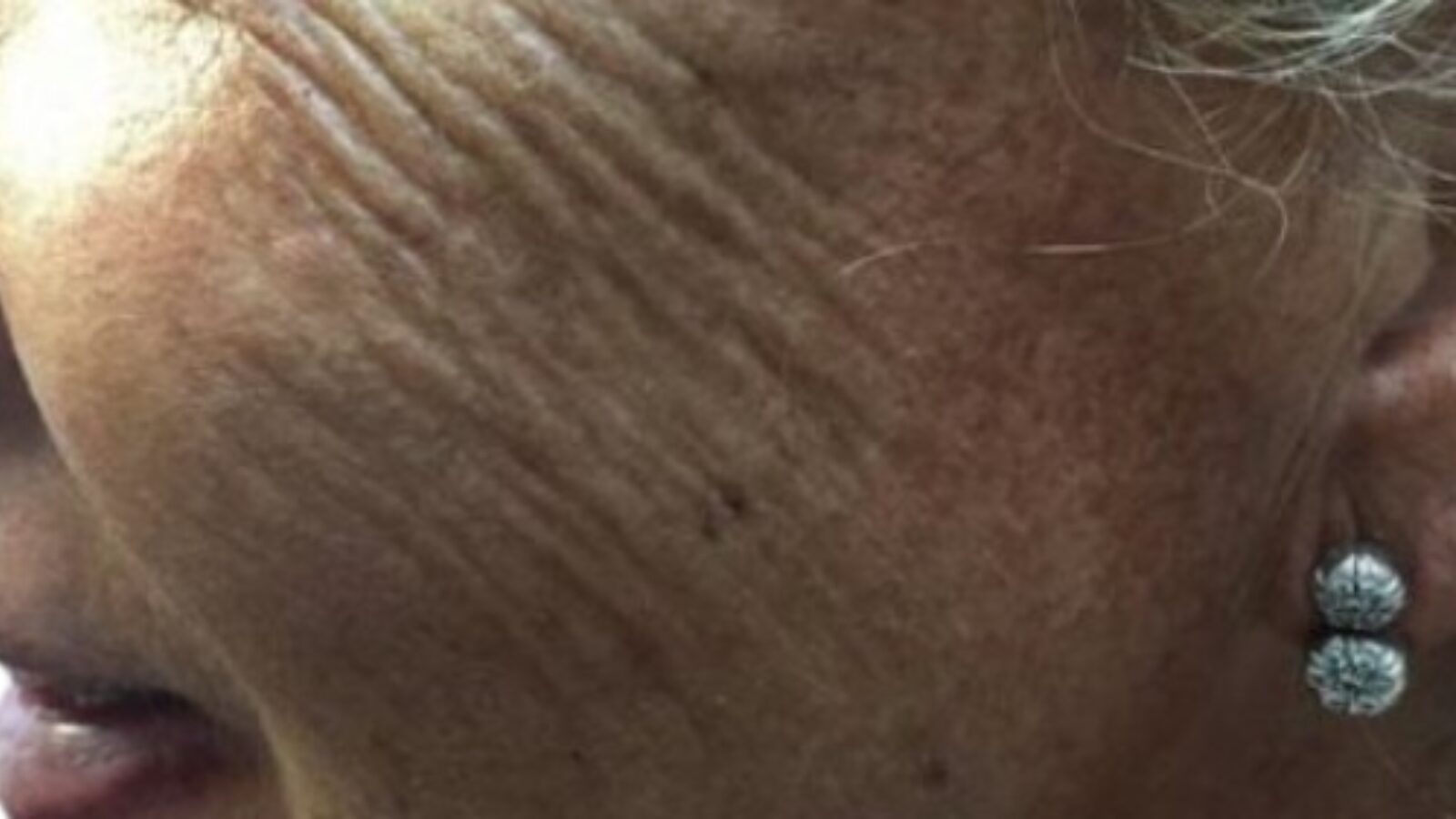
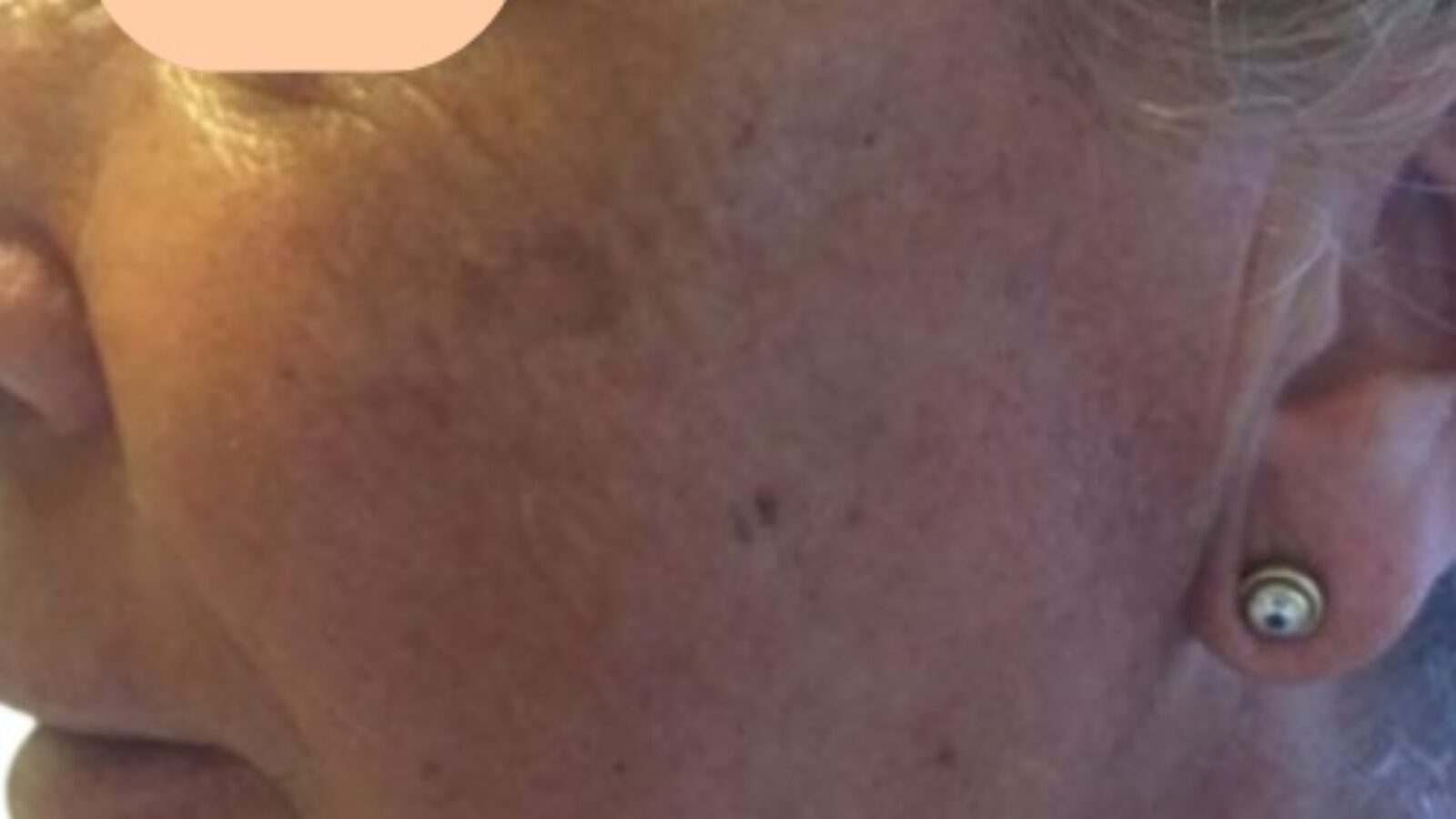
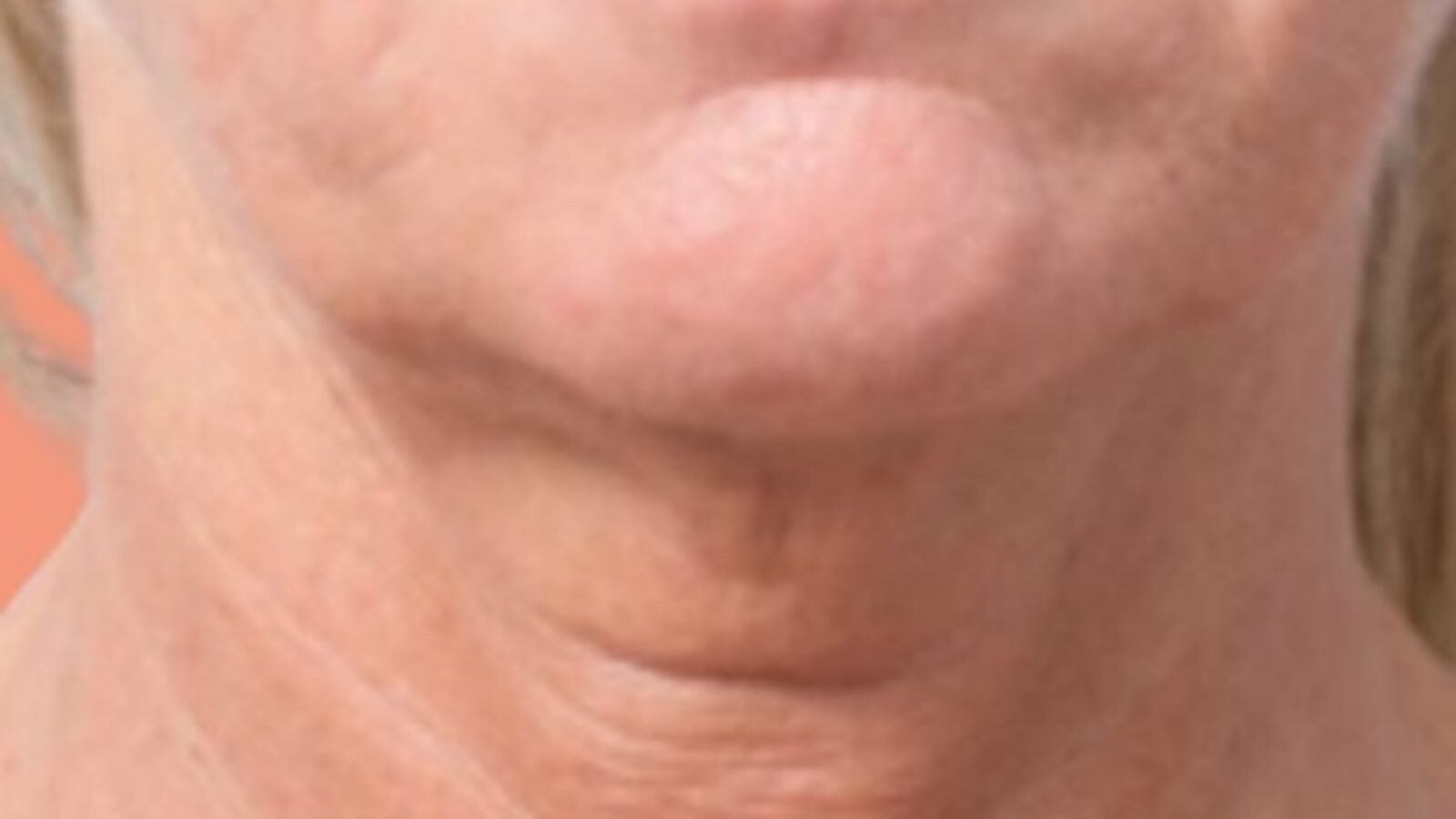
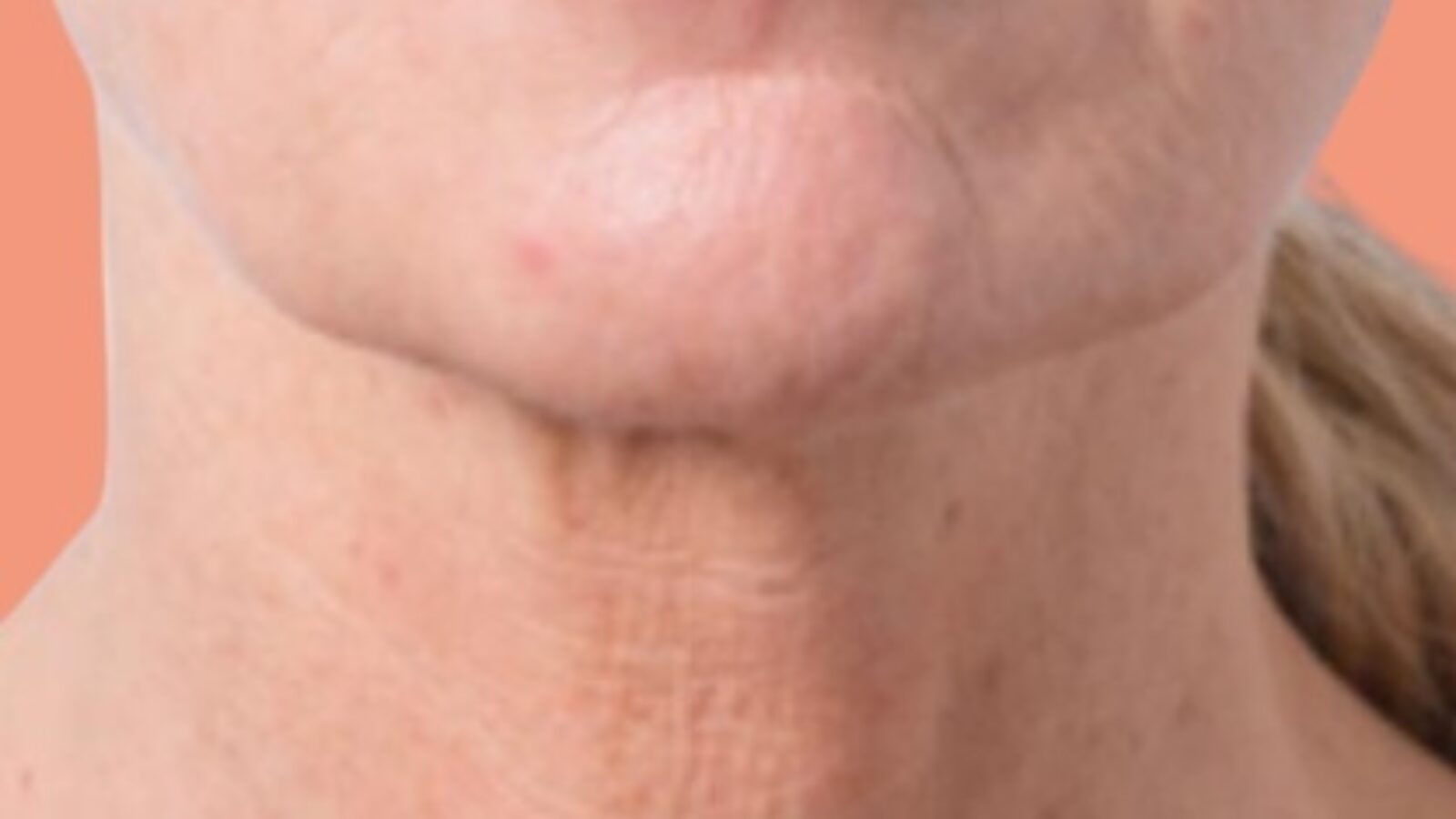
Below you find Before & After pictures of Profhilo for face and neck to see the type of results you can get after 2-3 sessions spaced 4 weeks apart.
The technical difference in hyaluronic acid composition: Profhilo versus dermal fillers
Standard dermal fillers contain hyaluronic acid that has been chemically cross-linked, usually with a substance called BDDE, as described in physicochemical research on filler composition. That cross-linking binds the hyaluronic acid chains together into a stable, gel-like structure that stays in place and adds volume to the treated area. The stronger the cross-linking, the firmer the gel, and the longer the product remains in the skin.
Profhilo, by contrast, contains a hybrid complex of high- and low-molecular-weight hyaluronic acid that is stabilised through a thermal process, without chemical cross-linkers. Heat breaks the hydrogen bonds between the HA chains; rapid cooling then allows new intermolecular bonds to form between the long and short chains, creating stable complexes without any chemical cross-linking agents. The result is a non-cross-linked hyaluronic acid complex with unique diffusion properties.
The practical consequence of this difference is what determines the indication: Profhilo has a lower viscosity and spreads through the tissue instead of forming a static volume structure. Classic fillers are designed to do the opposite: to stay in place and hold shape. This difference in composition is exactly why each product suits a different purpose, and why they can't simply be swapped for one another.
Which skin concerns each treatment addresses
Profhilo is the right choice when the concern is about skin quality: dull, dry or lax skin, fine lines from dehydration, loss of elasticity, or an uneven skin tone. It improves skin texture gradually by stimulating the body's own collagen and elastin production. Visible effects typically become clear after six to eight weeks, in line with a biological repair process.
Profhilo Structura, a deeper-injectable variant of the same concept, is more focused on tissue support in areas such as the cheeks and jawline for patients with early volume loss in the deeper skin layers. Even so, this treatment serves a different purpose than a classic volume filler: it's about structural support, not filling in contours. At Pêche Skin Clinic, Profhilo Structura is offered alongside classic Profhilo, so the doctor can choose whichever variant best matches your skin layer and goal.
Dermal fillers are the right treatment when there's noticeable volume loss, deep folds, or a loss of facial contour. Hollow cheeks, a less defined jawline, pronounced nasolabial folds, or loss of projection in the cheekbone area are all indications where a filler makes sense. Fillers provide structure and volume, but they don't prompt the same kind of biological renewal in the skin that Profhilo does. Improving skin quality isn't the primary goal of a filler; that's what a different type of treatment is for.
How long results last and what recovery looks like
Profhilo lasts six months on average, with results extending up to twelve months in favourable skin conditions and with regular maintenance. The standard course consists of two treatments spaced four weeks apart, after which a maintenance session every four to six months is recommended to preserve the result. A session takes about fifteen to thirty minutes.
Classic hyaluronic acid fillers (such as Belotero and Juvéderm) typically last twelve to twenty-four months, depending on the product type, the treated area and the amount injected. Pêche Skin Clinic also works with Radiesse, a calcium hydroxylapatite filler that provides firmer volume correction, and HArmonyCa, a hybrid filler that adds immediate volume while stimulating the body's own collagen production over the longer term. Sculptra, a biostimulator based on poly-L-lactic acid, gives results for up to about two years and works on a similar stimulation principle to Profhilo, but with a very different mechanism and set of indications: it's designed for more extensive volume restoration over a longer period and requires multiple sessions to build up the result.
Recovery time and risk profile compared
When it comes to recovery, Profhilo is the most accessible option. After treatment you'll typically see small bumps, mild redness and occasionally a bruise at the injection points. These resolve within a few hours to three to five days. With fillers, swelling can last up to two weeks depending on the area treated. The risk profile for fillers is also broader: rare but more serious complications such as vascular occlusion or granuloma formation are possible, as outlined in clinical management guidelines, which underlines the importance of medical expertise when performing this treatment.
Which treatment suits you best?
The most decisive question is also the simplest one: do you want to improve your skin quality, or restore volume and structure? If you're dealing with tired, dull skin that has lost its radiance but without clear volume loss, Profhilo is likely to benefit you most. Afterward, skin looks nourished, firmer and more even, without any change to facial contours.
If you notice that your face used to look fuller, that your cheeks have become hollow, or that wrinkles are too deep for hydration alone to address, a dermal filler is usually the better fit. Age plays a role here, but it isn't the deciding factor. A younger skin with a quality issue and an older skin with specific volume loss can each call for their own approach.
In many cases, combining both treatments is the most complete approach. Fillers restore volume and structure, while Profhilo optimises skin quality around them. At Pêche Skin Clinic in Antwerp, both treatments are available, so a doctor can weigh your skin goals, skin type and expectations together with you and put together a personal treatment plan. You should never base this decision on an article alone, but a good article helps you ask the right questions.
Questions to ask your practitioner before deciding
A consultation is far more productive when you arrive prepared. Start with the most decisive question: am I looking to address my skin quality, or restore my facial structure? This is the filter question that shapes the rest of the conversation. Without making that distinction, there's a good chance you'll leave with a treatment that doesn't match what you were actually looking for.
Also ask about combining Profhilo and fillers: does a protocol using both make sense in your case, and if so, in what order? When the two are combined, sessions are often spaced two to four weeks apart for the best result and a safe recovery. Finally, it's worth asking how often you'll need to come back for maintenance, so you can realistically plan for the cost and time involved.
Conclusion: what's the difference between Profhilo and dermal fillers, and what's right for you?
Profhilo and dermal fillers both contain hyaluronic acid, but they're designed for fundamentally different purposes. Profhilo improves skin quality through biological stimulation of collagen and elastin; fillers restore volume and contour by forming a stable structure in the tissue. The chemical composition, how the product behaves in the skin, and the indications all differ substantially. Understanding how Profhilo differs from a classic dermal filler helps you make a more informed choice and ask better questions during your consultation.
Both treatments have their place in a well-designed treatment plan. The right choice depends on what your skin actually needs, not on what's popular or what a friend has had done. A diagnostic conversation with a doctor is the shortest route to the right decision.
Want to know which treatment suits your skin profile? At Pêche Skin Clinic in Antwerp, every treatment starts with a thorough skin analysis. Get in touch for a personal consultation and leave with a treatment plan tailored to your skin's specific needs.